
- Services
- Services
-
- Hire a Team
-
- Industry
- Company
- Company
-
- Case Study

Banks, hospitals, retailers, and logistics firms all run on Java. It powers the systems that move money, store records, and process orders. When those systems fail, the damage is immediate.
That is why choosing a Java development company is a high-stakes decision. A strong partner builds software that is secure, fast, and easy to maintain for years. A weak one leaves you with brittle code, security gaps, and costly rewrites. This guide shows you how to compare teams with confidence. Non-technical owners get plain-language checks, and technical leads get deeper questions to ask.
Quick answer: To choose a Java development company, look for deep Spring Boot and modern Java experience, proven enterprise projects, strong security and testing habits, clear pricing, and full code ownership. Check that the team builds on JDK 25 LTS or newer and can modernize older Java apps. Then start with a paid discovery phase before you sign a large contract.
A Java development company designs, builds, tests, and maintains software using the Java language and its ecosystem. Common tools include Spring Boot, Hibernate, Maven or Gradle, and cloud platforms. Custom work means the team builds around your goals instead of using a generic product.
In plain terms, Java is the engine under many business systems. The company designs that engine, connects it to your data and tools, and keeps it running safely.
What They Typically Build
Teams use Java for many products:
Java remains essential for business applications in 2026, offering security, scalability, reliability, and long-term performance for modern enterprises.
Java’s support calendar is public, which helps planning. Oracle lists JDK 25 as an LTS release from September 2025, with Premier Support through September 2030 and Extended Support through September 2033. Oracle also plans LTS releases every two years, so the next one is Java 29 in September 2027. Java 27 arrived in September 2026 as a non-LTS release.
For owners, the lesson is simple. Ask your vendor which Java version they will build on, and why.
The ecosystem has also modernized. Spring Boot 4.0 reached general availability on November 20, 2025, built on Spring Framework 7, and Jakarta EE 11 modernized the enterprise stack. Virtual threads also moved from promising to normal, with Netflix publishing a production case study. As a result, modern Java handles high concurrency with simpler code.
Licensing affects cost. Oracle says JDK 21 updates released after September 2026 move to the Java SE OTN license, and users who want permissively licensed versions should move to Oracle JDK 25 or later. Therefore, ask any vendor which JDK distribution they use and how they handle licensing. A good team explains the options clearly.
Java suits large, long-lived systems. Smaller products may fit other stacks better. For a comparison, read our guide on Node.js vs Python for backend development. A trustworthy partner tells you honestly when another stack suits you better.
Look for skilled Java developers with strong technical expertise, practical experience, problem-solving abilities, and knowledge of modern development frameworks and tools.
Look for teams that build on current Java, not only older versions. Ask how they use records, virtual threads, and the Spring Boot 4 line. Also ask how they structure services, handle configuration, and manage dependencies.
Many Java systems expose APIs. So check that the team understands REST, messaging, API versioning, and service boundaries. Also ask when they would avoid microservices, because a well-built modular monolith often serves smaller products better.
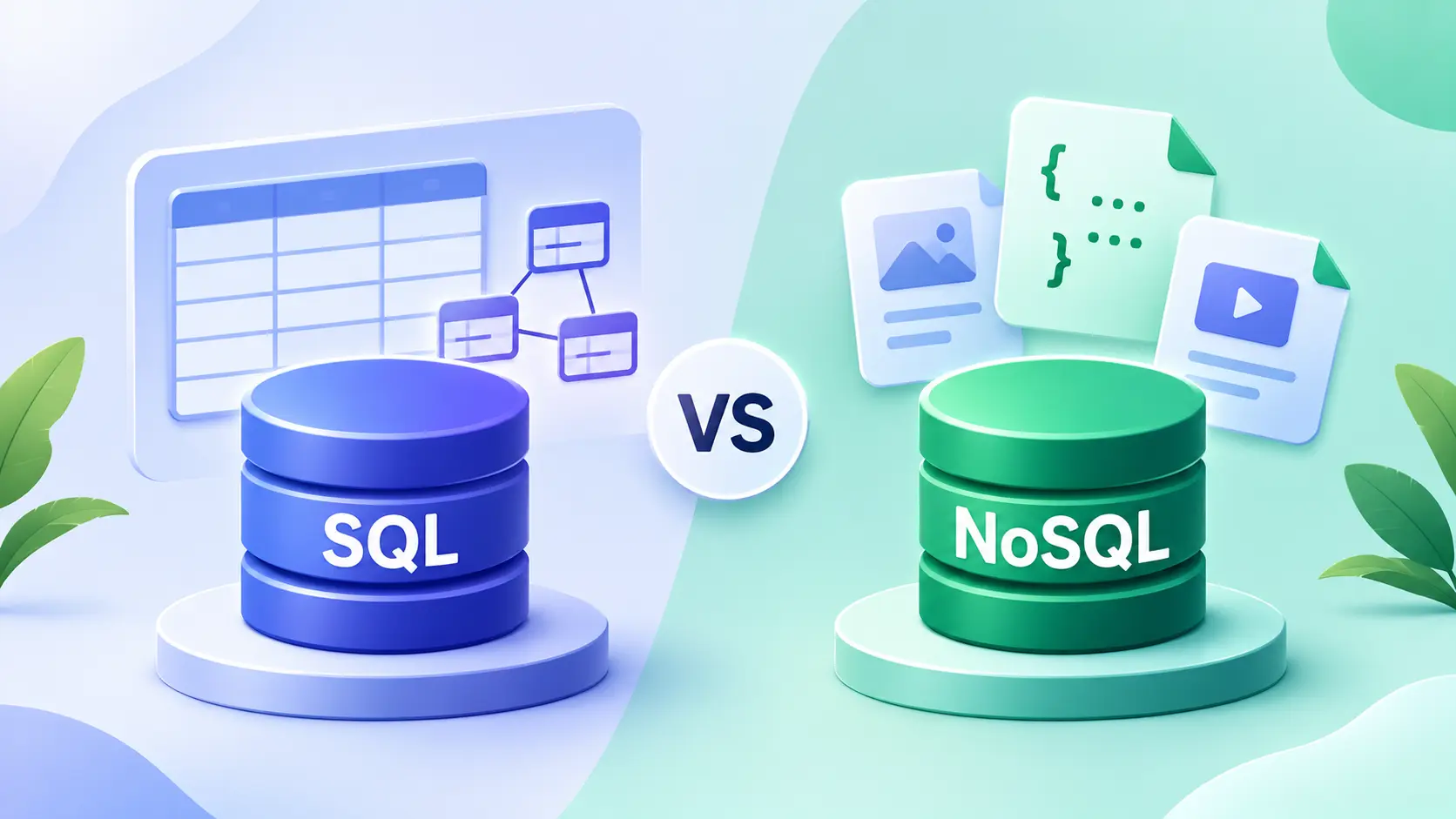
Java apps depend on solid data design. Ask how the team chooses between relational and NoSQL stores, and how they tune queries. Our guide on the difference between SQL and NoSQL databases explains the trade-offs.
Strong teams use containers, CI/CD pipelines, and infrastructure as code. Ask which cloud platforms they use, how they deploy, and how they monitor systems after launch.
Quality needs proof. Ask about unit, integration, and end-to-end tests, plus code review and static analysis. Also ask what test coverage they aim for, and how they handle failing builds.
Many businesses run older Java. Ask how the team handles upgrades from Java 8, 11, or 17, and the move from javax to jakarta packages. Good partners can plan modernization in stages, without a risky big-bang rewrite.
Java ecosystems face real vulnerabilities, and prompt patching matters. For example, 2025 brought Spring advisories such as CVE-2025-41248 in Spring Security and CVE-2025-41249 in Spring Framework that needed fast updates. Ask how the team tracks advisories, scans dependencies, and patches production systems.
Java teams increasingly connect AI features to business systems. If you plan that, check for experience with APIs, data pipelines, and model services. Our AI and ML services show how backend and AI work fit together.
Evaluate a Java development company through its portfolio, expertise, client feedback, processes, communication, and delivery record.
Proof beats promises. Ask for examples of production systems the team built, with real outcomes such as speed gains or reduced costs. Industry fit matters too. A team that knows finance, healthcare, or retail already understands the rules and risks. You can also review our own case studies to see what strong proof looks like.
If you have a technical lead, ask for an architecture walkthrough. Look for clear trade-offs, not buzzwords. For example, ask why they chose a framework, how they would handle failures, and how they would scale reads and writes.
Speak with two or three past clients. Useful questions include:
A mature process protects your project. Ask about:
Some companies pitch with senior experts, then assign junior staff. Ask for short profiles of the real team, including the tech lead and QA lead. Also confirm overlap hours if the team works in another time zone. Our guide to offshore software development explains how distributed teams can work well.
Do not jump into a large contract. A short paid discovery phase produces requirements, an architecture plan, and a prototype or proof of concept. It shows you how the team works before you commit your full budget.
Compare pricing, engagement models, and contract terms to ensure transparency, flexibility, and value.
Rates vary by region, seniority, and model. A September 2026 benchmark puts mid-level US freelance Java rates at $85 to $135 per hour, in-house employees at $95 to $150, and agencies at $165 to $275. Senior agency work runs $210 to $350. Another guide lists North American mid-level rates at $80 to $150 or more. Offshore and nearshore teams often cost less, though quality and process vary.
Project costs vary even more. One 2026 guide says small Java projects often cost $20,000 to $60,000, while enterprise platforms and modernization programs can exceed $600,000. Another estimates $25,000 to $80,000 for a Spring Boot microservices backend and $60,000 to $200,000 for full enterprise systems with messaging and monitoring. Treat these figures as ballparks and request itemized quotes.
Rates are not the full cost. Ask whether quotes include discovery, architecture, QA, project management, cloud hosting, and post-launch support. Also plan for Java version upgrades and dependency patches each year. If two quotes differ widely, one of them probably misunderstood your scope.
Read contracts closely, and ask a lawyer to review them. Check these points:
For deeper vendor vetting, see our guides on choosing a custom software development company in the USA and choosing a backend development company.
Ask relevant questions and use a structured scorecard to evaluate technical expertise, experience, communication, pricing, project management, and service quality.
Bring these questions to every call:
Rate each company from 1 to 5, then multiply by the weight.
| Criteria | What good looks like | Suggested weight |
|---|---|---|
| Java and Spring expertise | Modern JDK, clean architecture, clear trade-offs | 25% |
| Enterprise proof and references | Live systems, reachable clients | 20% |
| Process and quality | CI/CD, tests, staging, regular demos | 15% |
| Security and maintenance | Fast patching, dependency scanning | 15% |
| Communication and team clarity | Named team, honest risk flags | 10% |
| Pricing clarity | Itemized estimate with assumptions | 10% |
| Contract and support | Code ownership, warranty, handover | 5% |
Warning signs often appear early. Watch for these:
A Java development company builds and maintains software using Java. That includes backend systems, APIs, microservices, enterprise applications, and modernization of older systems. AssaptR offers custom web development services and backend expertise that help you plan and build these systems.
Costs depend on scope, team location, and seniority. Hourly rates range from about $15 offshore to over $300 for senior US agency work, and project budgets vary even more. At AssaptR, we start with a clear scope and give you an itemized estimate. Schedule a free call to discuss your project.
Yes, for the right project. JDK 25 is an LTS release supported into the 2030s, and Spring Boot 4 and virtual threads keep Java modern. Java suits large, long-lived systems best, while smaller products may fit other stacks.
Use a current LTS release, which today is JDK 25. Also note that permissively licensed updates for JDK 21 end in September 2026, so older projects should plan moves to JDK 25 or later. Your vendor should explain the licensing options.
Yes. Good partners assess the codebase, plan staged upgrades, and move packages from javax to jakarta where needed. They also add tests first, so changes stay safe.
It depends on your needs. Java suits large, secure, long-lived systems with big teams. Node.js and Python fit other cases. Our guide to Node.js vs Python for backend development explains the trade-offs.
AssaptR builds web platforms and backends for growing businesses. Our team covers custom web development, Python development, and AI and ML services, so we can recommend the right stack honestly. Review our case studies before you talk to us.
Yes. If you already have a team, you can add skilled developers to it. AssaptR offers flexible hire talent options, which work well when you need extra capacity without a full outsourced build.
Start with a short conversation. Schedule a free call or use our contact page to share your goals, timeline, and budget range. Then we will help you shape the scope and suggest the next step.
The right Java development company combines modern Java and Spring skills, clear process, active security habits, and honest communication. Define your goals first. Then check live systems, compare pricing carefully, and confirm ownership and support terms. Finally, test the relationship with a paid discovery phase.
A good partner does more than write code. They protect your budget, flag risks early, and build systems that last.
AssaptR helps businesses build secure, scalable software. Explore our custom web development services, contact our team, or schedule a free call to discuss your project.
Neha is a web technology enthusiast and content contributor at AssaptR, specializing in software development, custom web solutions, eCommerce, and digital marketing. Her articles focus on the latest industry trends, best practices, and actionable strategies that help businesses build secure, scalable, and high-performing digital products.
2. What Does a Java Development Company Do?
3. Why Java Still Matters for Business Apps in 2026
3.3. A Licensing Detail You Should Know
3.4. When Java Is Not the Right Fit
4. Skills and Experience to Look For
4.1. Modern Java and Spring Boot
4.2. Microservices and API Design
4.3. Databases and Data Design
4.4. Cloud, DevOps, and Containers
4.8. AI and Integration Skills
5. How to Vet a Java Development Company
5.1. Look at Live Systems and Industry Fit
5.2. Hold a Technical Conversation
5.5. Confirm Who Does the Work
5.6. Start With a Paid Discovery or Phase
6. Pricing, Engagement Models, and Contracts
7. Questions to Ask and a Scorecard to Use
WhatsApp us