
- Services
- Services
-
- Hire a Team
-
- Industry
- Company
- Company
-
- Case Study

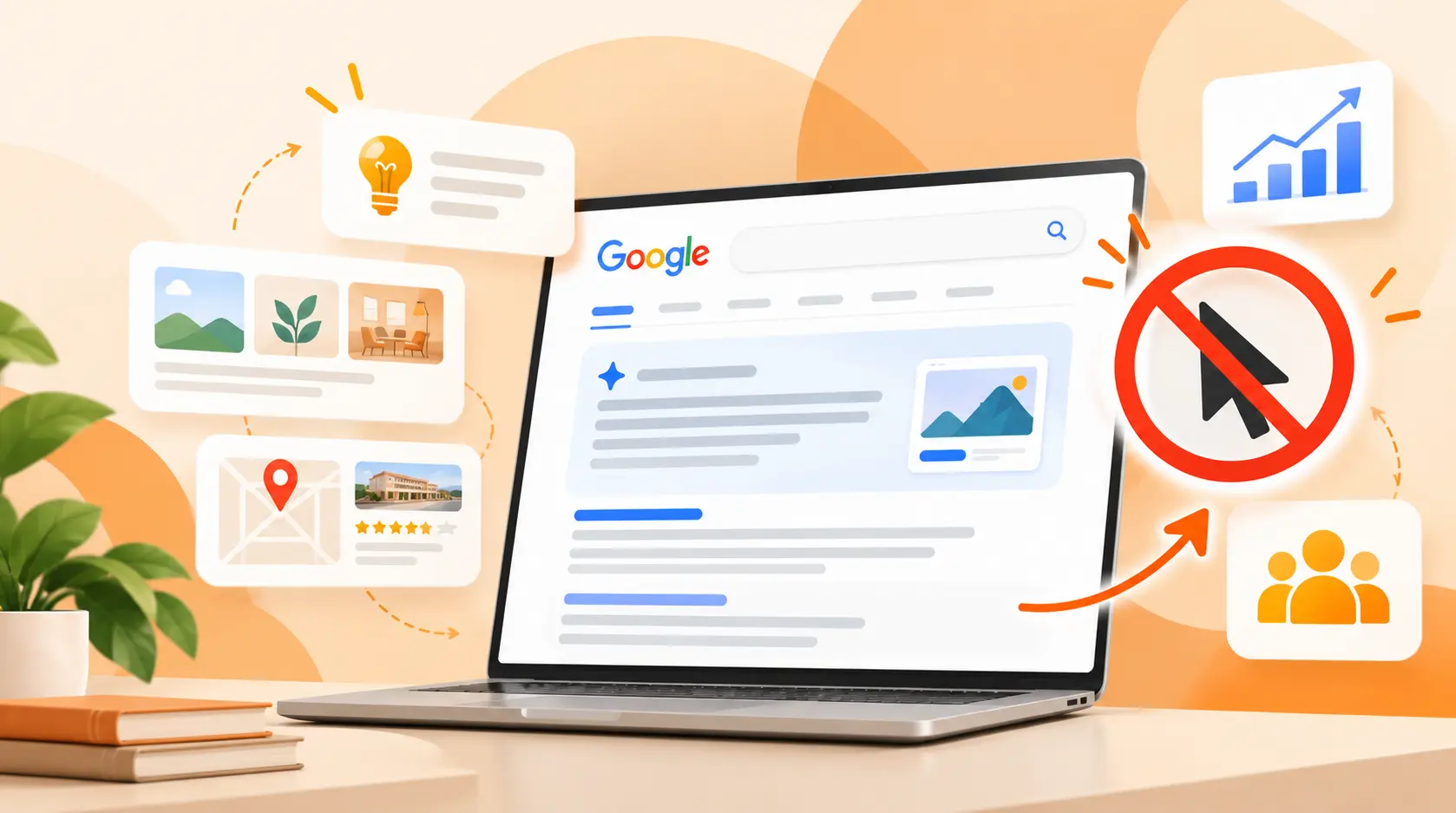
Search is changing rapidly. People no longer rely only on traditional Google results to find information. They now use AI-powered search, conversational queries, voice assistants, and platforms that provide direct answers.
This shift has brought three important terms into digital marketing: SEO, AEO, and GEO.
While these strategies have different focuses, they work best together. Understanding the difference can help businesses build a stronger search strategy for 2026 and beyond.

SEO (Search Engine Optimization) is the process of improving a website so search engines can crawl, understand, index, and rank its content.
A strong SEO strategy typically includes:
For example, a web development company may optimize a service page for “WordPress development services” to attract businesses actively searching for WordPress expertise.
The primary goal is to increase relevant organic visibility and bring qualified visitors to your website.
SEO remains essential in 2026. However, traditional search results are no longer the only way users discover information.
AEO (Answer Engine Optimization) focuses on making content easier for search engines and answer-based platforms to understand and use when responding to specific questions.
Instead of focusing only on a keyword such as:
AEO also targets questions such as:
AEO works particularly well with clear headings, concise answers, FAQs, structured content, and conversational language.
Users increasingly want quick and direct answers. Well-structured content can help your website provide those answers while also supporting traditional search visibility.
However, simply adding FAQs does not guarantee rankings or featured answers. The content still needs to be accurate, useful, and relevant.
GEO (Generative Engine Optimization) focuses on improving how your content can be understood and potentially referenced by generative AI search experiences.
AI-powered search tools can combine information from multiple sources to generate a response instead of displaying only a traditional list of links.
For businesses, this makes original expertise and useful information more important.
GEO-focused content can include:
There is no guaranteed formula that makes an AI platform mention a particular website. GEO should therefore be viewed as an extension of a strong content and SEO strategy rather than a replacement for SEO.
| Strategy | Main Focus | Example |
|---|---|---|
| SEO | Search engine visibility | "WordPress development company" |
| AEO | Direct answers | "What is WordPress development?" |
| GEO | Generative AI visibility | "Which CMS is best for a growing business?" |
The easiest way to remember the difference is:
For most businesses, the answer isn’t to choose one.
Your website needs a strong technical foundation before you focus on newer search strategies. Make sure search engines can crawl and index your important pages, your site loads efficiently, and your content matches genuine search intent.
Identify the questions your customers regularly ask and answer them clearly. Service pages, FAQs, guides, and comparison articles can all benefit from an answer-focused structure.
Create content that demonstrates genuine expertise rather than repeating information already available everywhere.
For example, instead of publishing another generic article about WordPress, share:
This gives both users and modern search systems more valuable information to understand.
SEO can take time, requires continuous optimization, and does not guarantee a specific ranking position. Search visibility also depends on competition, content quality, technical health, authority, and many other factors.
Adding questions and concise answers does not guarantee featured snippets or direct answers. Search engines still evaluate relevance, quality, context, and overall page usefulness.
Generative AI results can change based on the platform, query, context, and available sources. There is currently no universal GEO formula that guarantees AI citations or mentions.
That’s why businesses should focus on useful content and strong foundations instead of chasing shortcuts.
A practical approach is to combine all three:
Improve crawlability, indexing, page speed, mobile usability, internal linking, structured data, and Core Web Vitals.
Understand what your customers want to know and create content that provides clear, complete answers.
Use case studies, original insights, examples, data, and practical recommendations to make your content more valuable.
Don’t create content simply to target keywords or AI systems. Write for your audience first and optimize the content naturally.
Yes. SEO remains an important foundation for organic search visibility. AI-powered search does not eliminate the need for crawlable, useful, well-structured websites.
No. AEO complements SEO by focusing more heavily on questions and direct answers. A strong AEO strategy still benefits from solid SEO foundations.
The terms are often used interchangeably, but GEO specifically focuses on visibility and usefulness within generative AI search experiences.
Yes. In fact, combining them is usually the most practical approach. One well-planned content strategy can support traditional search, answer-focused discovery, and generative AI experiences.
Start with technical SEO, create original and useful content, answer relevant customer questions, use appropriate structured data, and make sure important content remains accessible to search crawlers.
SEO, AEO, and GEO aren’t competing strategies. They represent different ways users discover and consume information online.
SEO builds your search foundation. AEO makes your content easier to answer. GEO prepares your content for generative search experiences.
Instead of abandoning traditional SEO, businesses should strengthen their technical foundation while creating clearer, more useful, and more authoritative content.
The businesses that adapt successfully won’t simply chase rankings. They’ll build digital experiences that are easy to find, easy to understand, and genuinely useful—whether a customer discovers them through Google, an AI search experience, or another emerging platform.
Neha is a web technology enthusiast and content contributor at AssaptR, specializing in software development, custom web solutions, eCommerce, and digital marketing. Her articles focus on the latest industry trends, best practices, and actionable strategies that help businesses build secure, scalable, and high-performing digital products.
8. Does Your Business Need SEO, AEO or GEO?
8.2. Add AEO to Important Content
8.3. Build GEO Into Your Content Strategy
9. What Are the Limitations of SEO, AEO and GEO?
10. How to Build a Strong SEO, AEO & GEO Strategy
10.1. Build a Strong Technical Foundation
10.2. Create Content Around Real Questions
10.3. Demonstrate Real Expertise
10.4. Keep Content Useful and Human-Focused

WhatsApp us