
- Services
- Services
-
- Hire a Team
-
- Industry
- Company
- Company
-
- Case Study

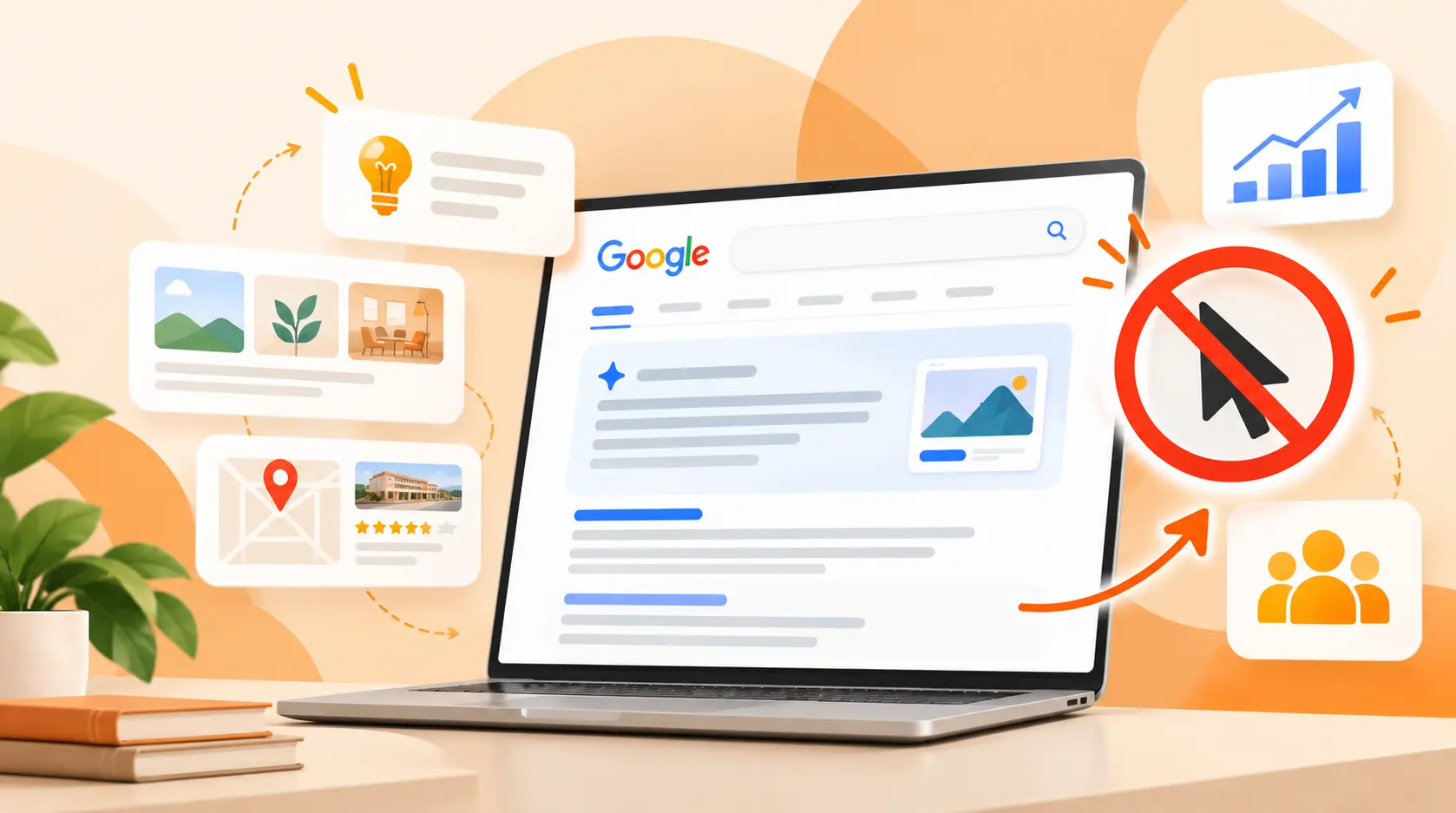
Zero-click search means a user gets their answer on the results page, or inside an AI assistant, and never visits a website. In 2026 it is the biggest shift in organic traffic in a decade, but it is not the end of SEO. Brands that get cited inside AI answers still earn more clicks, more trust and better-qualified leads than brands that are absent.
Zero-click search means a user gets their answer on the results page, or inside an AI assistant, and never visits a website. In 2026 it is the biggest shift in organic traffic in a decade, but it is not the end of SEO. Brands that get cited inside AI answers still earn more clicks, more trust and better-qualified leads than brands that are absent.
Estimates vary by study and industry, so treat any single number with care. The direction is consistent:
In short: fewer visits, but the visits that remain are more valuable, and visibility inside the answer itself now matters as much as the click.
1. Become the cited source
Brands cited inside an AI Overview earned about 35% higher organic click-through than uncited brands in Seer’s data. To earn citations, write answer-first sections, back claims with named sources, and add original data so AI systems have a reason to cite you. Our guide to SEO, AEO and GEO explains how the three fit together.
2. Shift from ‘what is’ content to decision content
Because AI now answers basic definitions, invest in comparisons, pricing guides, case studies, templates, calculators and opinionated expert takes. After all, a summary cannot fully replace these.
3. Make your brand the thing people search for
When AI recommends options, users often follow up with a branded search. As a result, build recognition through LinkedIn, YouTube, podcasts, PR and reviews so your name is the one people type in.
4. Own your profiles and listings
Google Business Profile, LinkedIn, directories and review sites feed AI answers, especially for local and service businesses. For consistency, keep names, descriptions and services identical everywhere.
5. Capture demand directly
Give visitors a reason to join you off-search: a newsletter, a downloadable checklist, a WhatsApp or email follow-up. Also, every visit you do get should have a clear next step, because there will be fewer of them. A focused landing page and conversion rate optimization help turn those visits into enquiries.
6. Keep the technical basics strong
Fast pages, clean structure, schema markup and crawlable content remain the entry ticket, and they start with solid web development. In fact, most AI Overview citations in several studies come from pages that already rank well.
No. Instead, it is changing what SEO is for. Rankings still feed AI answers and drive commercial clicks, but success now includes being cited and remembered, not only being clicked.
Simple informational content, such as definitions and basic how-to guides. Content built on original data, experience and comparison is more resilient.
No, but stop writing generic ones. Publish fewer, deeper pages that offer something an AI summary cannot: first-hand results, clear opinions and useful tools.
In Google Search Console, look for stable or rising impressions alongside falling clicks on informational pages. That pattern usually means answers are being shown without sending visitors.
Clicks are no longer the only prize. The winners in 2026 will be brands that are cited by AI, recognised by name and ready to convert the visitors who do arrive. To begin, list your 10 most valuable buyer questions this week and checking whether your brand appears in the AI answers for each.
Not sure where you stand? Assaptr can audit your search and AI visibility and show you exactly where to focus. Contact Assaptr or explore our digital marketing services to get started.
Neha is a web technology enthusiast and content contributor at AssaptR, specializing in software development, custom web solutions, eCommerce, and digital marketing. Her articles focus on the latest industry trends, best practices, and actionable strategies that help businesses build secure, scalable, and high-performing digital products.

WhatsApp us